The concept of online shopping has revolutionized the way we live, providing us with endless opportunities to purchase our favorite products from the comfort of our own homes. However, with the convenience of online shopping comes the risk of encountering scams, leaving many consumers wary of making online purchases. Scammers have become increasingly sophisticated in their tactics, making it challenging for even the most discerning individuals to distinguish between legitimate and illegitimate online retailers. As a result, it is essential to be aware of the red flags and factors that can help you identify a scam or a legitimate online store.
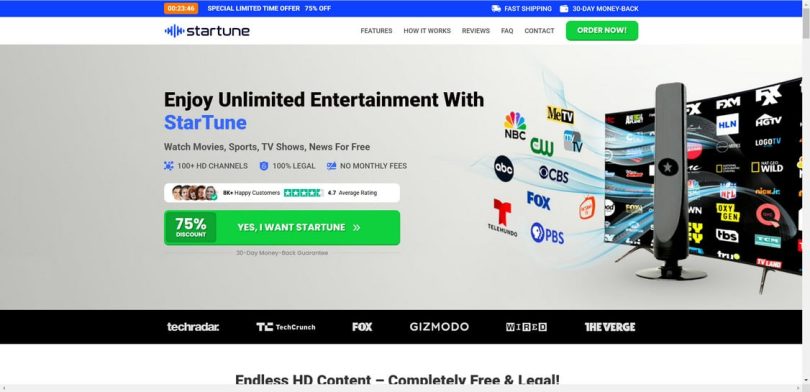
One of the most significant signs of a scam online store is a website with a lacking or poorly designed website. Legitimate online retailers typically invest in creating visually appealing and user-friendly websites that are easy to navigate. Scammers, on the other hand, often settle for minimalist or poorly designed websites that lack essential features such as clear product information, customer testimonials, and contact information. Be cautious of websites with misspelled words, grammatical errors, or poorly organized content.
Another key indicator of a scam online store is the lack of transparency. Legitimate retailers are transparent about their return and refund policies, shipping information, and product descriptions. Scammers often omit or hide this vital information, making it difficult for customers to make informed decisions. Look for online retailers that clearly outline their policies, and ensure that the website provides easy access to this information.
The payment system is another critical aspect to consider when evaluating the legitimacy of an online store. Scammers often use unsecured payment systems, such as using untrusted or unfamiliar payment gateways. Legitimate retailers, on the other hand, prioritize the security of their customers’ payment information and typically use trusted payment gateways, such as PayPal or credit card processors. Look for websites that use HTTPS, the “s” at the end of the URL, which indicates a secure connection.
Furthermore, be wary of extremely low prices, especially for high-end or brand-name products. Scammers often use very low prices to attract unsuspecting customers, only to disappoint them with poor-quality products or non-existent delivery. Legitimate retailers would never use this tactic, as it can damage their reputation and customer trust. Be cautious of prices that seem too good to be true, and prioritize building relationships with reputable retailers who prioritize customer satisfaction.
The ease of customer support is another vital factor to consider. Legitimate retailers typically have a clear process in place for resolving customer complaints and inquiries. Scammers, on the