The Killer Skull Ransomware Virus: A Looming Threat to Cybersecurity
In an increasingly digital age, our online activities have become an integral part of our daily lives. With the majority of our data stored online, it is crucial to ensure that our digital footprint remains secure. However, with the rise of ransomware attacks, such as the notorious Killer Skull Ransomware, our online security is under constant threat.
Killer Skull is a type of ransomware that has been wreaking havoc on businesses and individuals alike, leaving a trail of destruction in its wake. This malicious software is designed to encrypt files and demand payment in exchange for the decryption key, making it a lucrative business for hackers.
Originating from the Middle East, Killer Skull was first spotted in 2017, but its presence only grew stronger over the years. Its creators chose a clever marketing strategy, using social media platforms and other online channels to spread the virus. This tactic allowed it to spread rapidly across the globe, catching many off guard.
The methods used by the creators of Killer Skull are not as sophisticated as some other ransomware, but their simplicity is deceptive. They use a technique called “drive-by downloading” where they inject scripts into compromised websites, which then download the malware onto victims’ devices. This means that even the most meticulous users can fall prey to the virus just by surfing the internet.
The symptoms of infection are often subtle, leading many to be unaware of the attack until it’s too late. Infected devices may experience slow performance, difficulty booting, or file corruption. However, the most telling sign is the ransom demand, which usually arrives in the form of a pop-up window or email.
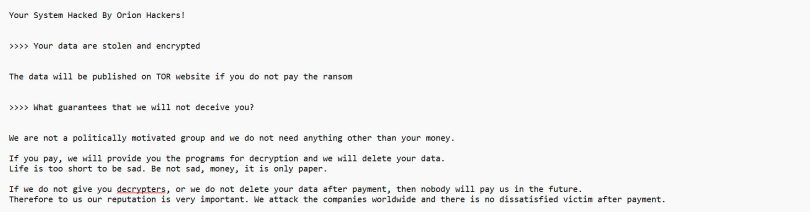
The ransom demands are often substantial, with amounts ranging from a few hundred to several thousand dollars. Hackers also threaten to publicly release the victim’s data, compromising sensitive information, unless the payment is made promptly. This not only destroys the victim’s digital life but also discloses their personal details to the world, putting them at risk of identity theft and other forms of fraud.
While it is difficult to prevent a ransomware attack entirely, there are measures that can be taken to mitigate its effects. The first line of defense is a robust antivirus software that can detect and block malicious software. Regular backups of critical files are also essential, as they can serve as a safeguard in the event of an attack.
In addition, education and awareness play a crucial role in combating the spread of ransomware. Users