
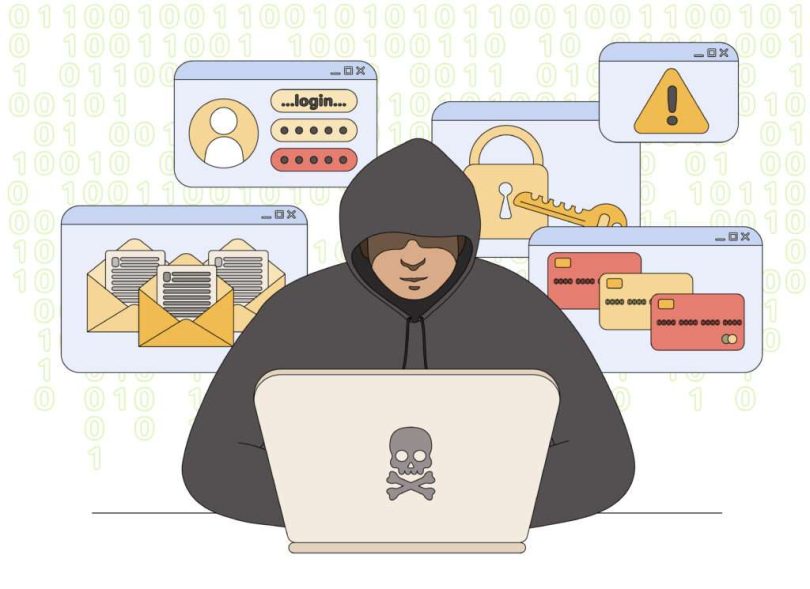
With the rise of online shopping, it’s become increasingly difficult to determine whether an online store is legitimate or a scam. In this increasingly digital world, it’s crucial to be cautious when making transactions online, as your financial security is at stake. This article will provide you with some valuable tips to help you identify a real store from a scam online, keeping your online shopping experience safe and secure.
To begin with, it’s essential to research the store’s reputation before making a purchase. This can be done by reading reviews, checking social media, and looking for any customer testimonials. Be wary of stores with little to no online presence or those with overwhelmingly negative reviews. On the other hand, legitimate stores usually have a strong online presence and positive reviews from satisfied customers. Additionally, check for any customer service contact information, such as email addresses, phone numbers, and physical addresses to gauge their level of transparency.
Another crucial factor to consider is the store’s product offerings. Scam stores often quickly adapt to market trends, selling items at unrealistically low prices, or with fake or low-quality products. Legitimate stores, on the other hand, usually stick to a specific niche or product line, offering high-quality products at reasonable prices. Be cautious of stores that claim to sell products that are too good to be true, or those that don’t have a clear description of their products.
Another sign of a legitimate store is its business registration and licenses. Make sure to check if the store is registered with the relevant authorities and has the necessary licenses to operate. A quick search online can help you determine this. Scam stores usually omit this information, or provide false information to mislead potential customers.
In addition, be wary of stores that request sensitive information, such as credit card numbers, addresses, and social security numbers, without any discernible reason. Legitimate stores will only request information necessary for the transaction, and clearly state why it’s needed. Scam stores often want to collect as much information as possible, which can be used for fraudulent activities.
Another important red flag is the website’s design and functionality. Scam stores usually have poorly designed websites, with broken links, grammatical errors, and poor navigation. Legitimate stores, on the other hand, have well-designed websites that are easy to navigate and organized, with clear product information and contact details.
Lastly, trust your instincts. If a store seems too good to be true, it probably is. If something feels off or you have doubts